

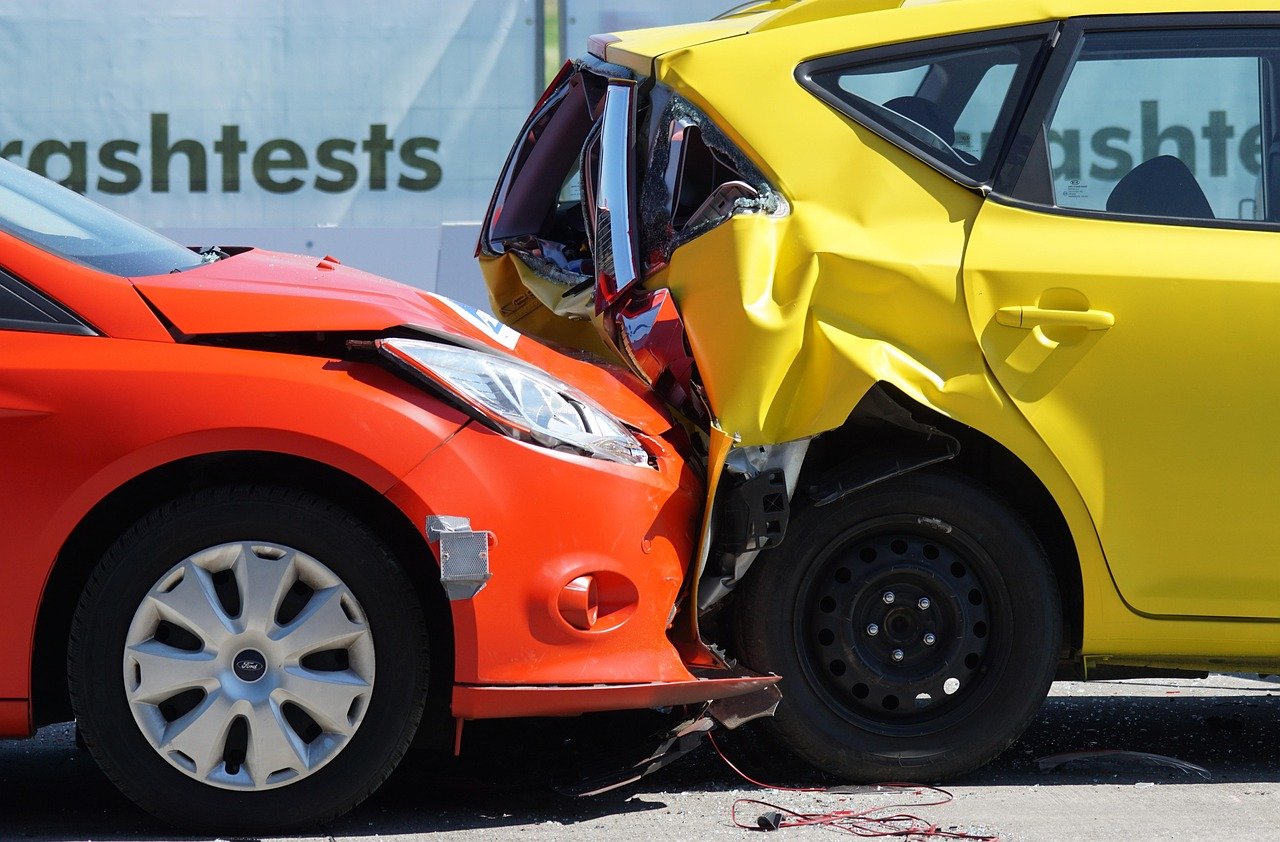
Who Is at Fault in a Rear End Collision in Georgia?
Getting hit from behind feels like it should be an open-and-shut case. Often it is. But “the driver in back always pays” is a myth that costs real people real money, and Georgia law is more careful than that. Below is a plain-English look at how fault in a rear-end crash actually gets decided, when the driver in front can share the blame, and what evidence moves the needle.
Who Is at Fault in a Rear End Collision?
In most rear-end crashes the driver who hits the car in front is presumed at fault, because Georgia drivers have a legal duty to leave enough following distance to stop safely. That presumption is not absolute. The lead driver can share or carry the blame in situations like brake-checking, a broken brake light, or backing up. Fault ultimately turns on the evidence.
Key Takeaways
- The rear driver is usually presumed at fault because of the duty to keep a safe following distance.
- That presumption can be rebutted. It is not the same as an automatic rule.
- Real exceptions include sudden unnecessary stops, brake-checking, chain-reaction pileups, faulty brake lights, and a lead driver who reverses.
- Georgia uses modified comparative negligence, so fault can be split by percentage, and you recover nothing if you are 50 percent or more to blame.
- Evidence, not assumptions, decides the case. Photos, the crash report, and witness accounts matter most.
Why the Rear Driver Is Usually Presumed at Fault
Georgia law expects every driver to keep a reasonable and prudent distance behind the car ahead. The rule against following too closely in Georgia lives in the state’s traffic code (O.C.G.A. Section 40-6-49), and it exists for a simple reason: the driver in back is the one who controls the gap. If you leave enough room, a normal slowdown in front of you should never end in a collision.
So when a crash happens, insurers and courts start from a common-sense inference. The driver who rear-ended someone probably followed too closely, was distracted, or was speeding for conditions. That is why the person in back usually walks away with the ticket and the liability.
Notice the word “presumed.” A presumption is a starting point, not a verdict. It shifts the burden to the rear driver to show that something other than their own carelessness caused the wreck. When the facts support it, that presumption can be overcome. If you were hit and need help sorting out liability, an Atlanta car accident lawyer can gather the proof before it disappears.
Is the Rear Driver Always at Fault? Real Exceptions
No. This is where the myth breaks down. A driver in front can create the danger, and Georgia lets fault follow the facts. Here are the situations that most often shift blame forward.
| Exception | What happens | Why fault can shift to the lead driver |
|---|---|---|
| Sudden, unnecessary stop | The lead driver slams on the brakes with no valid reason | The stop itself may be negligent, so the front driver can share fault |
| Brake-checking | The lead driver brakes hard on purpose to intimidate or retaliate | Intentional or reckless conduct can put most of the blame on the front driver |
| Multi-car chain reaction | A car is pushed into the vehicle ahead by a car behind it | Fault often traces back to the driver who started the chain, not the one in the middle |
| Faulty or broken brake lights | The lead driver’s brake lights do not work, so there is no warning | Failure to maintain the vehicle can make the front driver partly liable |
| Lead driver reversing | The car in front backs into the vehicle behind it | The reversing driver is usually at fault, even though the impact is “rear-end” |
| Cutting in and braking | A driver merges into the gap and immediately slows | The driver who cut in may share the blame for creating the hazard |
Two of these deserve extra attention. In a multi-car chain reaction, the middle driver is frequently a victim, not a cause. If you were stopped and got shoved into the car ahead, the driver who hit you may be the one responsible for both impacts. Cases like this get complicated fast when a commercial vehicle is involved, and our Atlanta truck accident attorney team handles those larger chain-reaction wrecks.
- Brake-checking is the other one people underestimate. Slamming the brakes to send a message is aggressive driving, and if it is captured on a dashcam or described by witnesses, the lead driver can end up carrying real liability for a crash they provoked.
Rear End Accident Liability and Georgia's Comparative Fault Rule
Here is the part that surprises people. Fault in Georgia is rarely all-or-nothing. The state follows modified comparative negligence, so more than one driver can be blamed, and each driver’s share is expressed as a percentage.
Under Georgia’s apportionment rule (O.C.G.A. Section 51-12-33), your compensation is reduced by your own percentage of fault, and if you are found 50 percent or more at fault, you recover nothing. Say a rear-end claim is worth $40,000 and you are assigned 20 percent of the blame for stopping abruptly. Your recovery drops by that 20 percent, to $32,000. Cross the 50 percent line and the recovery goes to zero.
That single rule explains a lot of insurance behavior. The other driver’s insurer has a strong incentive to pin as much fault on you as it can, because every percentage point it shifts your way lowers what it has to pay, and pushing you past 50 percent erases the claim entirely. This is exactly the kind of tactic our founder saw from the inside. Before he represented injured people, attorney Jonathan O. Reed pent about five years as a Senior Claims Representative at a major insurance company, so he knows how adjusters build a fault argument and how to answer it.
The Evidence That Actually Proves Fault
Because a rear-end claim can turn on a few percentage points, the evidence you preserve early is what decides it. Fault is not settled by who sounds more confident on the phone. It is settled by proof.
- The crash report. The responding officer's narrative and any citation carry weight with insurers, though they are not the final word.
- Photos and video. Vehicle damage patterns, skid marks, the position of the cars, and any dashcam or nearby surveillance footage can show what really happened.
- Witness statements. A neutral third party who saw the brake-check or the chain reaction can be decisive.
- Vehicle and mechanical evidence. Working or broken brake lights, and in serious cases the data from a vehicle's event recorder.
- Medical records. Prompt treatment ties your injuries to the crash and undercuts the argument that you were not really hurt.
Evidence disappears quickly. Footage gets overwritten, skid marks fade, and memories blur. Documenting the scene when you can, then getting help promptly, protects the fault picture before the other side can reshape it.
Frequently Asked Questions
This content is general information, not legal advice. Outcomes depend on the specific facts of your case.
No. The rear driver is usually presumed at fault because of the duty to keep a safe following distance, but that presumption can be rebutted. If the lead driver brake-checked, reversed, had broken brake lights, or created a sudden hazard, fault can shift forward. Georgia decides fault on the evidence, not on a fixed rule.
Often, yes. Georgia uses modified comparative negligence, so you can recover even if you share some fault, as long as you are less than 50 percent responsible. Your compensation is reduced by your percentage of blame. At 50 percent or more, you recover nothing.
It depends on how the chain started. If you were stopped and got pushed into the car ahead, the driver who hit you may be responsible for both impacts. Sorting out a chain reaction usually takes the crash report, physical evidence, and witness accounts, since several drivers may each carry a share.
Insurers often argue a “sudden stop” to shift blame, but stopping for traffic, a hazard, or a light is generally lawful and expected. The driver behind still has a duty to leave room to stop. A hard, unnecessary, or intentional stop is different, which is why the specific facts and any video matter so much.
Not by itself. A crash report and any citation are strong evidence that insurers take seriously, but they are not the final word on liability. Fault can still be disputed and re-argued using photos, witness statements, and other proof.
Talk to an Atlanta Car Accident Lawyer
If you were rear-ended and the other side is fighting over fault, you do not have to sort it out alone. Reed Injury Law investigates the crash, preserves the evidence, and deals with the insurance company so you can focus on healing. As a car accident attorney in Atlanta with insider knowledge of how insurers assign blame, our founder built the firm to level that playing field. The consultation is free, and for injury claims you pay no fee unless we recover for you.
This article is general information, not legal advice. Georgia law can change and every case turns on its own facts. For advice about your situation, talk to a lawyer.

The best law firm in NYC! They explain everything to you and they are very generous and helpful. The lawyers are excellent and very respectful. I highly recommend the Avvocato law firm.